
Science, Computer, Technology, Engineering & Math (STEM)
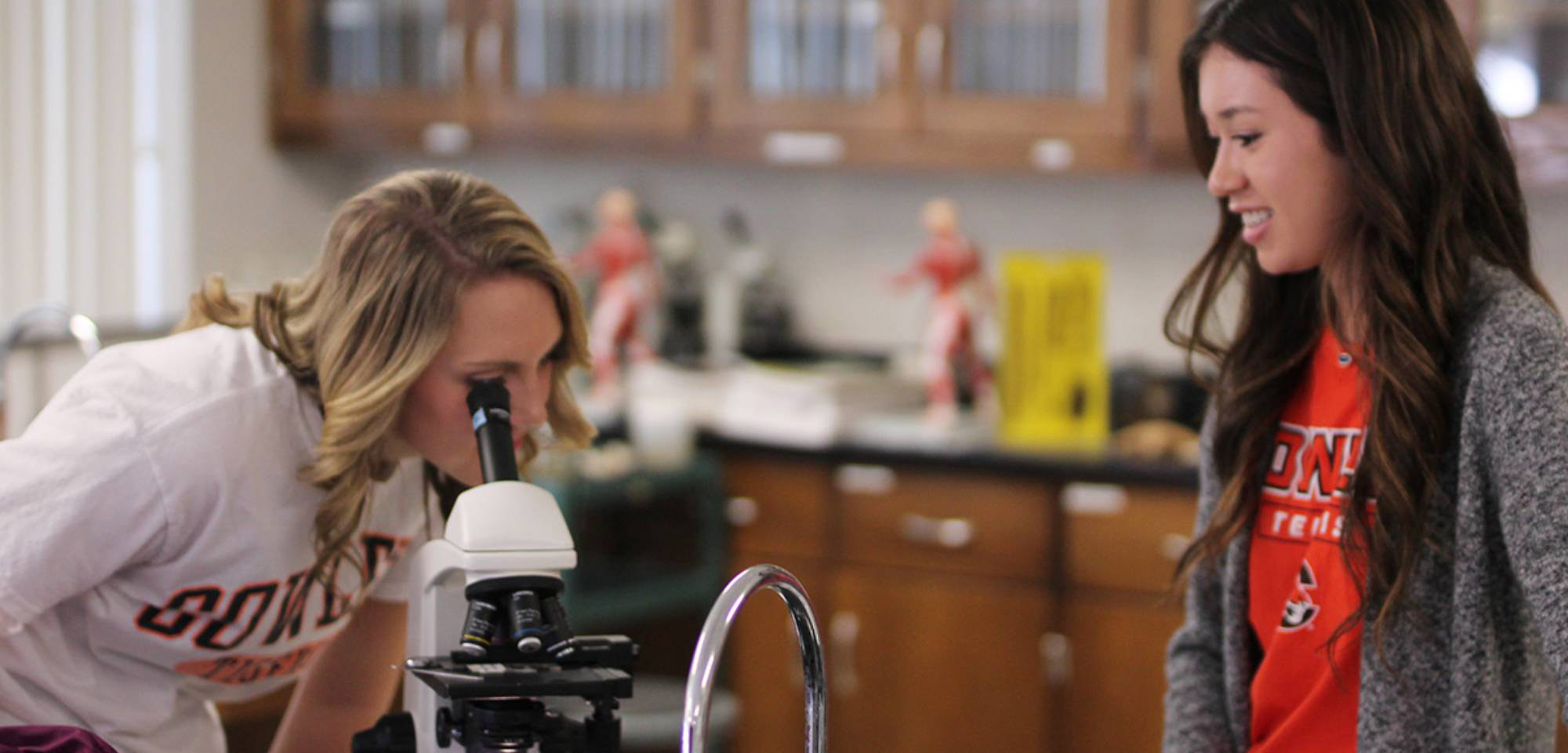
Gain skills and knowledge that allow for your growth as an individual learner and place you on the path toward your future.
STUDY. ANALYZE. DEVELOP.
 Online Options
Biology Transfer
Biomedical Engineering Transfer

Chemistry Transfer
Computer Information Science & Programming

Computer Science & Computer Engineering
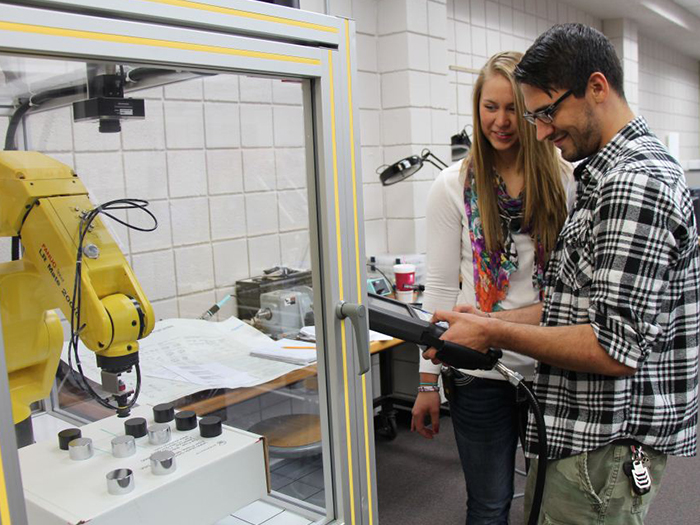
Computer Science Transfer
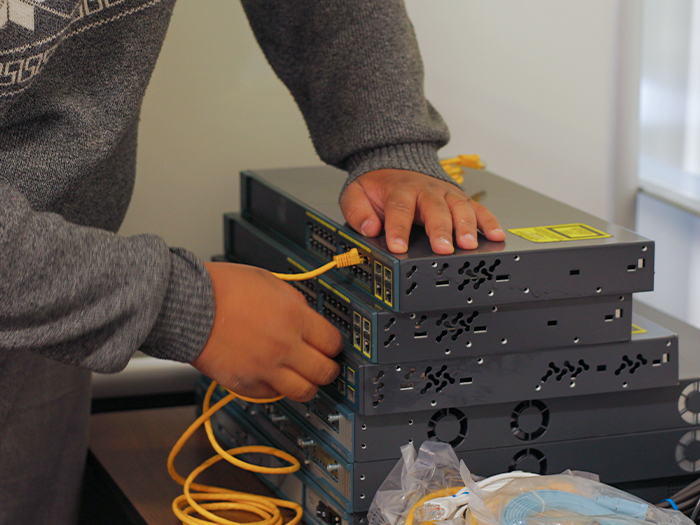
Engineering (Pre) Transfer

Environmental Science Transfer

Forensic Sciences Transfer

General STEM
Mathematics Transfer
Medical/Health Professions Transfer

Mortuary Science (Pre) Transfer
Physics Transfer
Software, Security & Development

Veterinary (Pre) Transfer

Not Sure? Let Us Help

Find our Campus
Location
125 S. 2nd St.
Arkansas City, KS
Contact Info
800-593-2222
admissions@cowley.edu

Take A Virtual Tour
Want to take a closer look? Don’t have time to make the trip?
Our Virtual Tour is the next best thing. Follow us for an in-depth look at our beautiful
campuses.
More Areas of Study
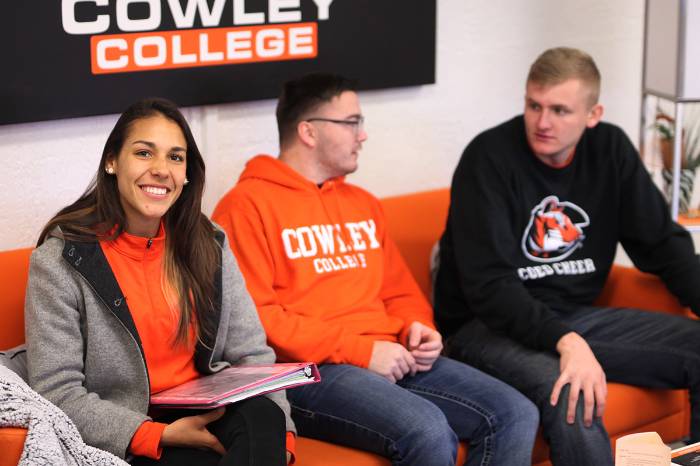
Cowley College offers over 120 different programs of study that guides a student on a pathway toward earning a degree or college certificate.
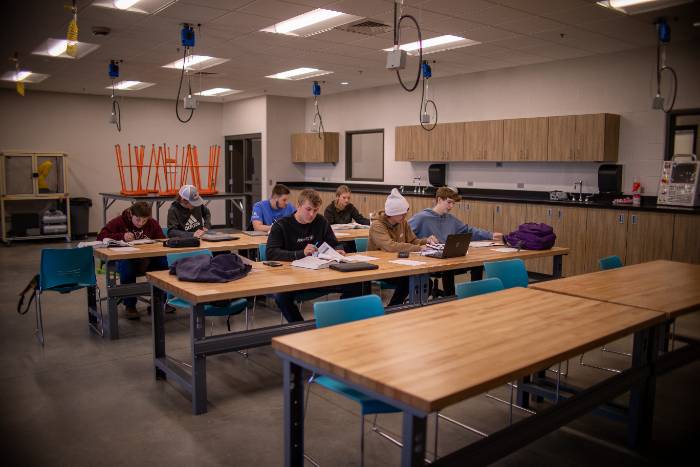
Cowley College now offers a new agriculture program at our Sumner Campus in Wellington, Kansas. Our program uses an interactive, hands-on approach that takes students from the concept of an idea to the point it reaches the consumer. The Sumner Campus is a new campus that will continue to grow for years.
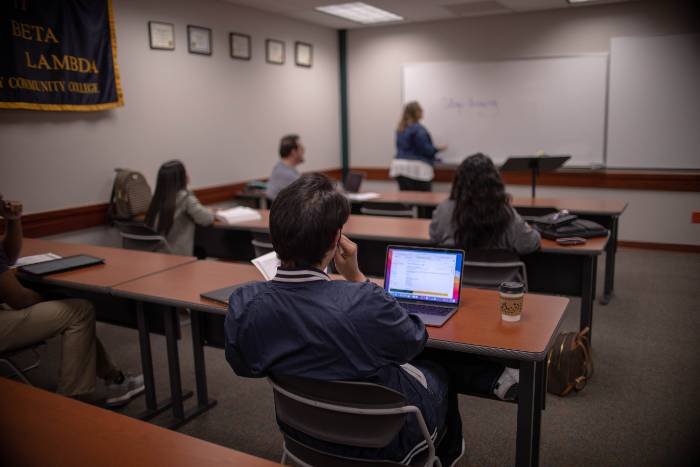
In two years or less, you can earn certificates for legal, business, & medical offices careers. While our classes teach you how to be successful in your personal and professional life. Learn through experiences by selflessly giving your time & talents to help the community and devote yourself to your education.
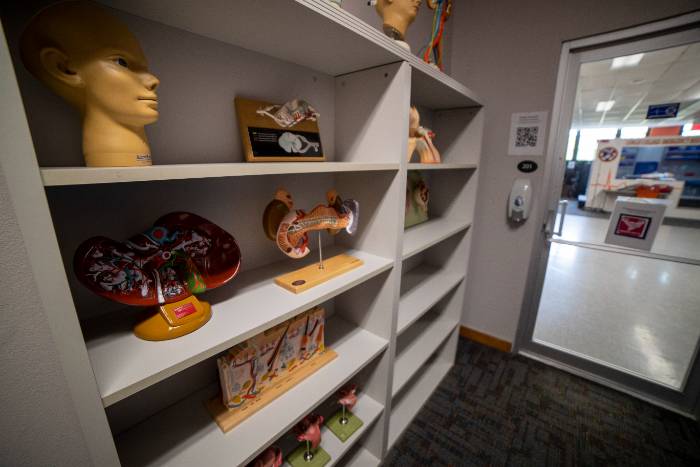
Learn how to provide acute care for the critically ill and injured on scene and during transport or explore police and legal work. Earn credentials for a successful career in law enforcement and corrections. Study our programs prepare students to provide services to communities and individuals.
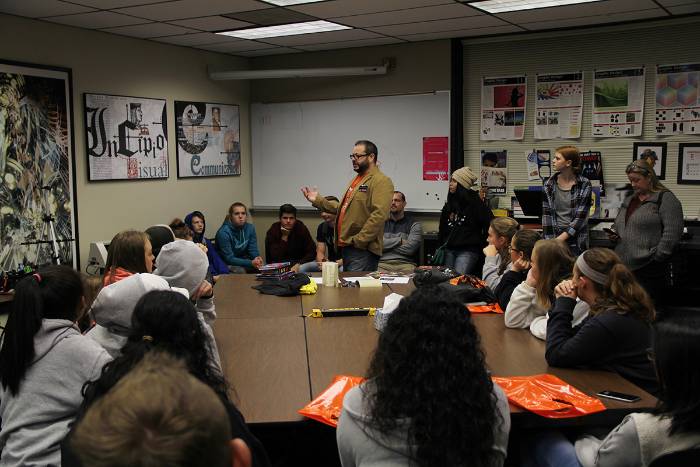
Enrich your knowledge and skills through diverse writing and literature courses. Contribute to the voice of the students through a newspaper published online and on paper. Perfect skills in performance, photography, broadcasting, news reporting, and public relations.
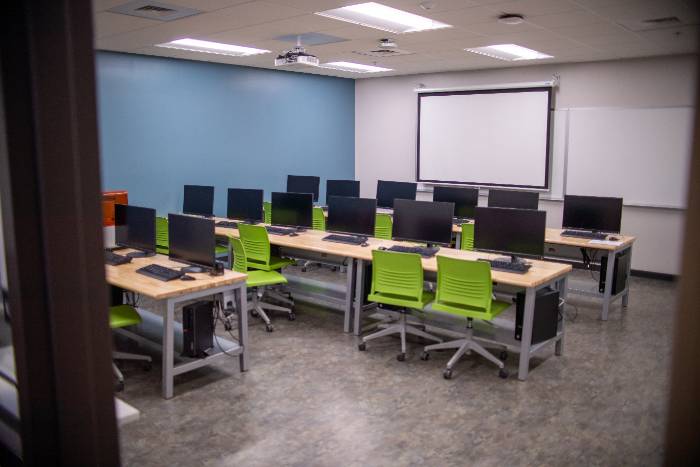
Don’t stop now. Dare to move forward with Cowley Online. Get an affordable college education, plus the convenience of online courses.